Getting to know how heat transfer takes place in buildings is important to understand the keys to a good thermal insulation.
Thermal insulation materials act as a barrier to prevent heat transfer between materials that would normally tend to balance their temperatures, improving thermal resistance.
Incorporating thermal insulation in buildings contributes to energetic and economic saving while improving thermal comfort and reducing heat or cold losses within the building.
Basic Thermal Insulation Concepts
Heat Transfer Methods
Heat can be transferred by conduction, convection, radiation, or a combination of these methods, naturally flowing from warmer areas to cooler ones.
Conduction and Heat Flow
Conduction refers to the transfer of heat through molecular agitation, depending on temperature difference and the material’s thermal conductivity.
Convection in Buildings
Convective heat transfer refers to heat movement through fluids such as air or gas, with losses occurring through ventilation and infiltrations.
Radiation Heat Transfer
Heat energy can be transferred through light such as infrared waves, passing through glass and translucent materials and absorbed by surfaces.
Thermal conditioning in buildings is based on radiation and convection, although heat transfer is the result of conduction, convection, and radiation combined.
The most relevant transmission way is conduction through the blind coating in the building, influencing heat losses and gains.
The rate at which heat flows increases with greater temperature differences between warmer and cooler areas.
Understanding these principles helps improve thermal balance and energy performance in buildings.
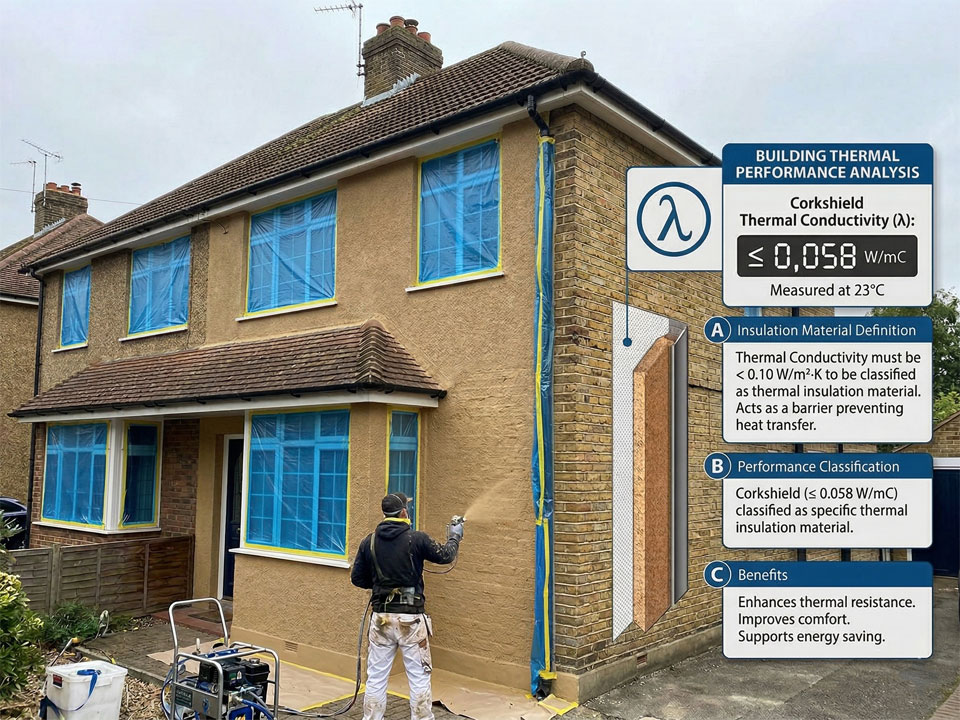
A thermal insulation material is known for its high thermal resistance and acts as a barrier to prevent heat transfer between materials.
To be considered a thermal insulation material, its thermal conductivity coefficient must be less than 0.10 W/m²·K when measured at 23°C.
Corkshield uses coatings with a thermal conductivity of up to 0,058 W/mC, classified as specific thermal insulation materials.
These materials enhance thermal resistance, improve comfort, and support energy saving within buildings.
Incorporating thermal insulation contributes to energy saving, reduction of emissions, and improvement in comfort inside the house.
It helps maintain temperature, reduces energy consumption, and avoids mould formation by eliminating condensation and indoor moisture.
Thermal conductivity, water vapour resistance factor, density, and specific heat are key properties that influence insulation performance.
 Energy & Cost Savings Thermal insulation reduces heat loss in winter and heat gain in summer, lowering energy demand and reducing utility bills.
Reduced Emissions Improved insulation cuts energy consumption, helping reduce CO₂ emissions from heating systems and fossil fuels.
Enhanced Comfort Maintains a stable indoor temperature, creating a more comfortable living environment year-round.
Prevents Mould Reduces condensation and moisture build-up, helping to prevent mould and damp issues.
Additional Benefits Improves acoustic insulation and can enhance fire resistance in certain applications.
These characteristics define the insulation capacity and efficiency of materials used in buildings.
Frequently Asked Questions
What insulation properties and characteristics should be considered?
When comparing insulation materials, the main characteristic that differentiates one material from another is thermal conductivity (λ). This measures the insulation capacity of a material. The lower the rate, the greater the ability to reduce the rate of heat flow. However, thermal conductivity is not a fixed value, as it depends on factors such as temperature, density, humidity, and the ageing process of the material.
Thermal Conductivity This is the key physical property used to assess insulation performance. A lower thermal conductivity means better insulation capacity and improved resistance to heat transfer.
Water Vapour Resistance Factor This must be taken into account, especially where a project aims to preserve a cold surface. If air humidity comes into contact with that surface, condensation can occur, making the insulation material wet and causing insulation capacity losses, wet surfaces, hygienical problems, and moulds.
Density ρ (kg/m3) Density refers to the volumetric mass density of a substance, or its mass per unit volume. This is another important characteristic when assessing insulation materials.
Specific Heat cp (J/kg.K) This is the energy which results in an increase in temperature and proceeds to the transformation of other energies.
In summary, insulation materials should not be judged on one factor alone. Thermal conductivity, water vapour resistance, density, and specific heat all play an important role in determining insulation performance and suitability for walls and blind spaces on façades.
What are the methods of heat transfer in buildings?
Heat can be transferred by conduction, convection, radiation, or a combination of these methods, with heat naturally flowing from warmer areas to cooler ones.
What is conduction and how does it affect insulation?
Conduction is the transfer of heat through molecular agitation within a material, depending on temperature difference and thermal conductivity, influencing the rate of heat flow. Corkshield coatings help reduce this heat flow by improving thermal resistance.
What is a thermal insulation material?
A thermal insulation material is a material with high thermal resistance that acts as a barrier to prevent heat transfer between materials that would normally balance their temperatures. Corkshield uses materials with high thermal resistance to improve building performance and comfort.
What are the advantages of thermal insulation?
Thermal insulation contributes to energy saving, reduces heat or cold losses, improves comfort, avoids mould formation, and helps reduce greenhouse gas emissions.
Thermal Performance
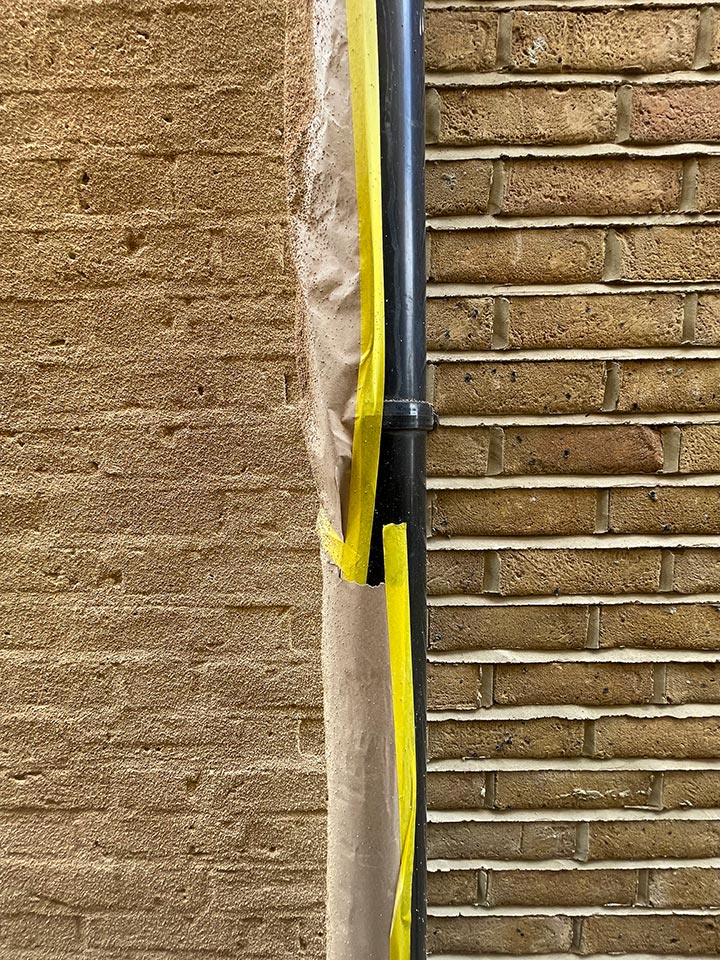
Cork’s natural thermal properties improve insulation, helping reduce heat loss and increase energy efficiency throughout your property. By regulating surface temperatures and reducing thermal bridging, it creates a more comfortable internal environment while supporting lower energy consumption and improved long-term performance.
Sustainable & Long-Lasting
Cork is a natural, sustainable material formed from the bark of cork oak trees, with a unique cellular structure that delivers exceptional durability. Its combination of resilience and eco-friendly performance makes it ideal for long-lasting coatings that contribute to CO₂ reduction and environmental responsibility.
Complete Protection
Cork coatings provide a protective barrier against moisture, helping prevent damp, condensation, and mould growth. Their breathable structure allows vapour to escape while maintaining protection, ensuring a healthier indoor environment and safeguarding your property from long-term structural and cosmetic damage.
Survey to Solution
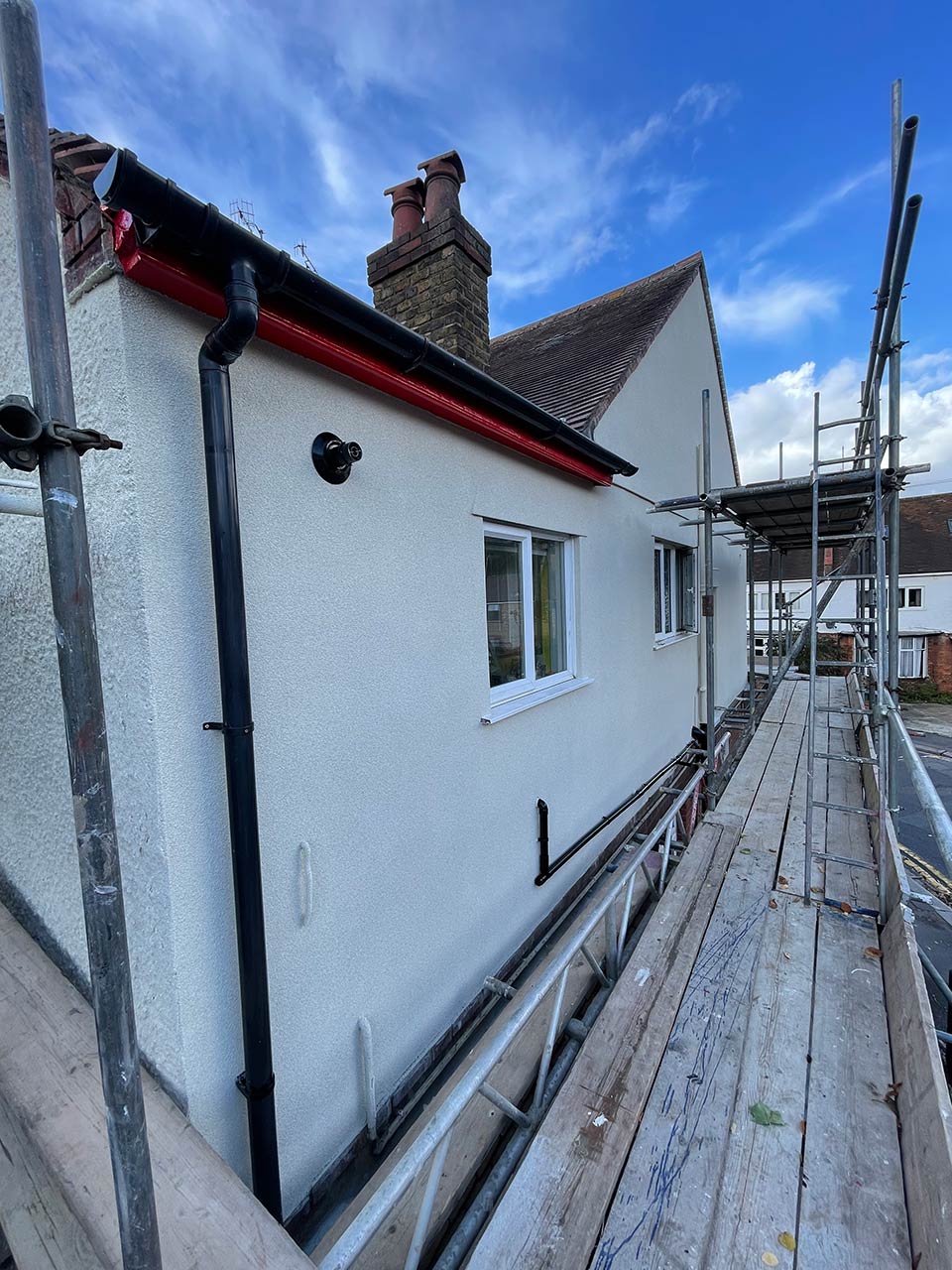
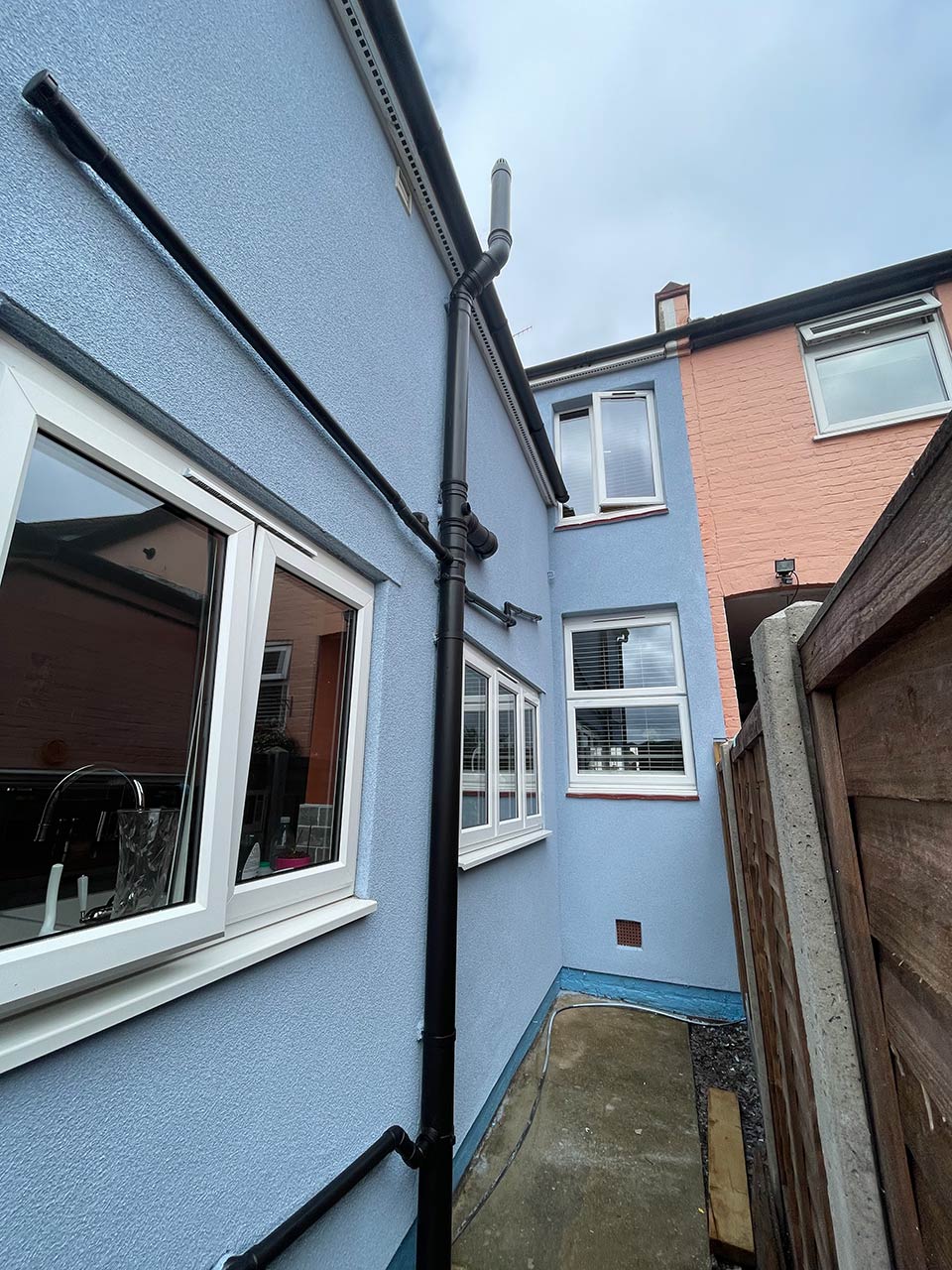
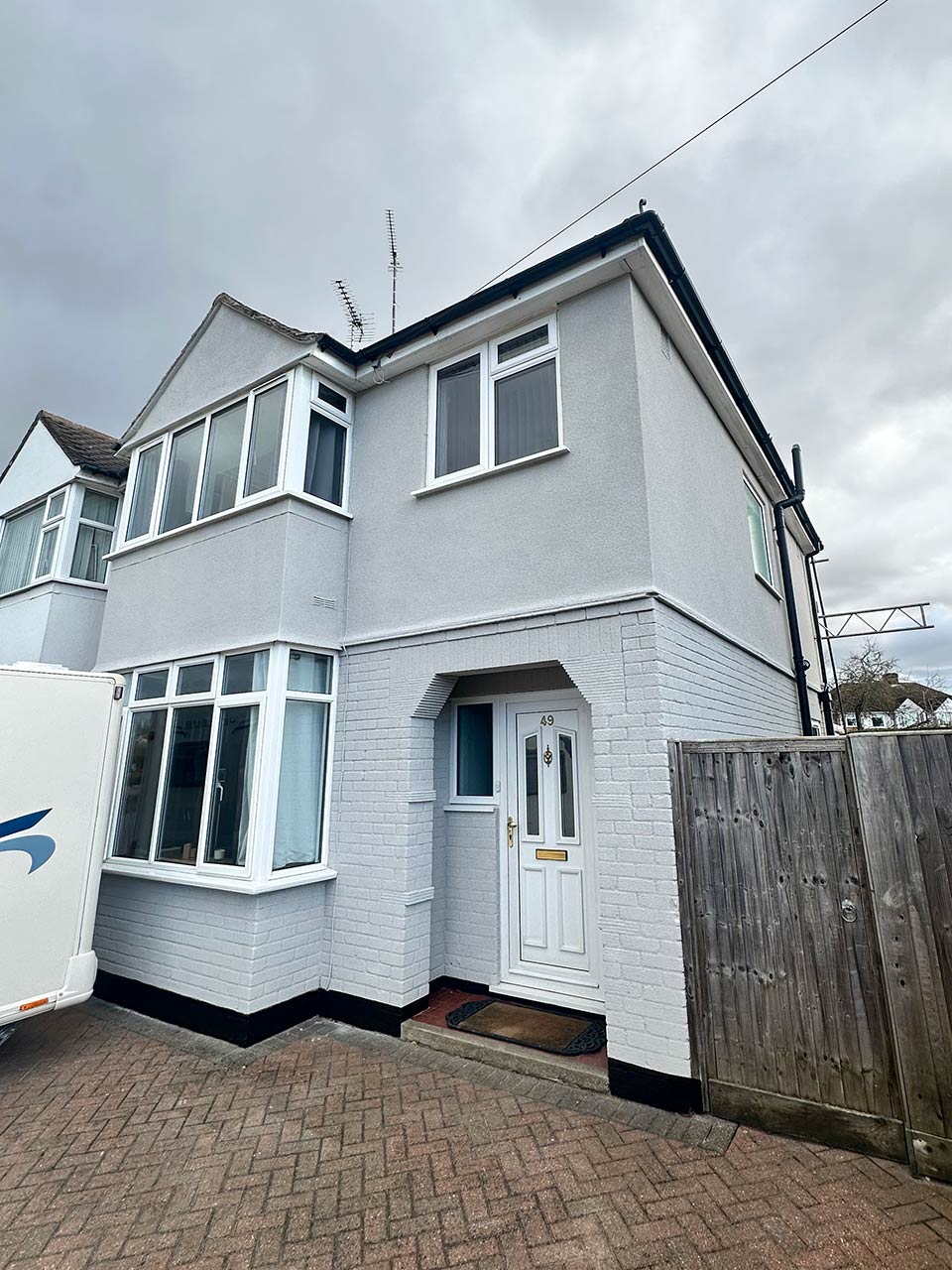
We provide detailed thermal surveys and technical reports, offering clear insights into insulation performance and potential issues. From initial assessment to completed installation, our team manages the entire process, delivering effective solutions without the need for multiple contractors or additional disruption.
Trusted & Proven Experts
With over 30 years of industry experience, full insurance, and more than 200 positive customer reviews, Corkshield is a trusted choice. Our skilled team consistently delivers professional results, giving you confidence that your property is in safe, experienced hands.
Aesthetic & Protective Finish
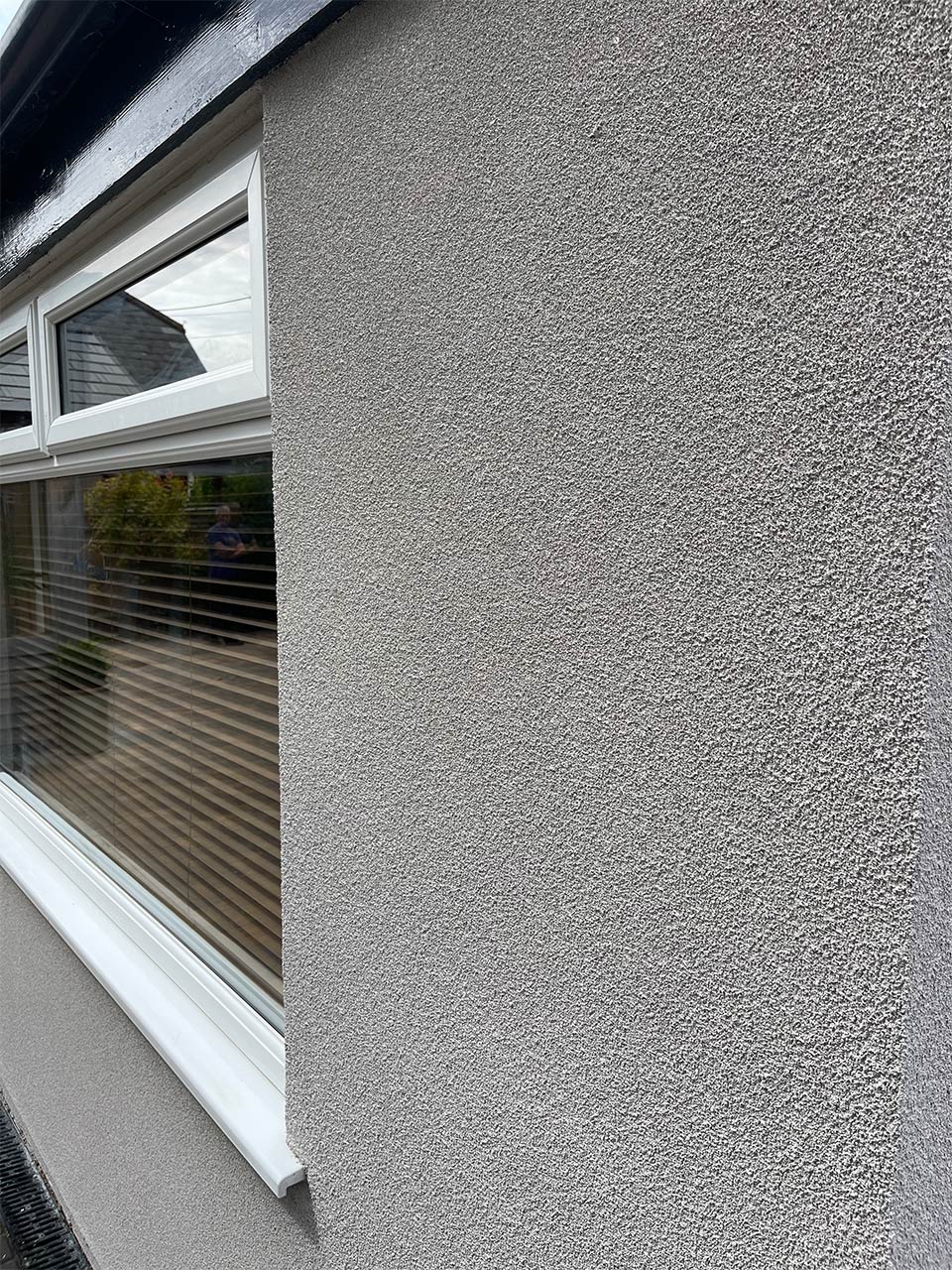
Our cork coatings are available in a range of colours, creating a modern, uniform finish that enhances your property’s appearance. Naturally resistant to algal and fungal growth, surfaces stay cleaner for longer, while the breathable system is suitable for both external and internal applications.




Corkshield Ltd
Corkshield is a trading name of Corkshield Ltd
 Registered Office: 63 New Road, Weston Turville, Aylesbury HP22 5QY
Registered in England and Wales No. 10039229
info@corkshield.co.uk
020 3026 5039
Monday to Saturday 8:00am - 5:00pm / Sunday - Closed