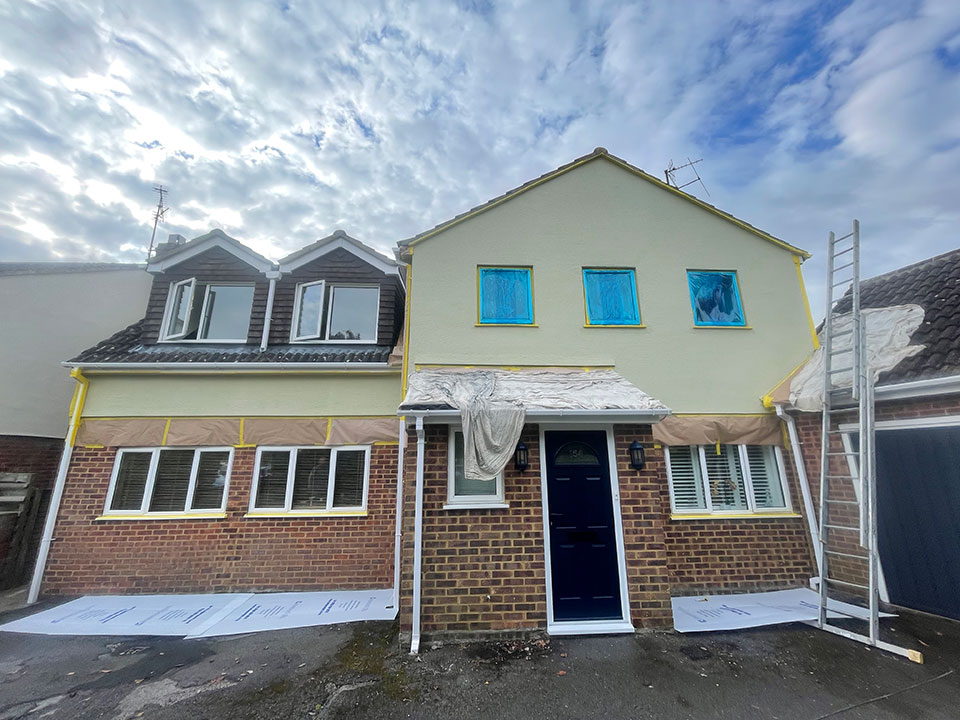
Thermal insulation in buildings is aimed to reduce energy consumption within the housing sector.
Improving energy efficiency in the thermal closure of both new and existing buildings requires selecting an insulation material that fulfills various performance standards. The goal is to achieve buildings that require less energy for the same level of comfort inside the premises.
Improvements in thermal insulation can result in energy and cost savings and reductions in CO2 emissions up to 30% by reducing energy losses…
Thermal Insulation Benefits
Energy Efficiency Measures
The Technical Building Code mandates that the construction sector must comply with certain energy efficiency measures that are compulsory and need to be stated in the building project.
Reduced Energy Consumption
Thermal insulation improves energy efficiency in buildings by reducing energy consumption while maintaining the same level of comfort inside the premises.
CO2 Emissions Reduction
Improvements in insulation can result in reductions in CO2 emissions up to 30% in heating and air conditioning consumption by reducing energy losses.
Sustainable Housing Sector
The housing sector is responsible for almost a quarter of energy consumption in Europe, making insulation essential for a path towards sustainability.
A nearly zero-energy building is a building with a very high energy performance and very low energy requirements.
Reducing energy consumption and promoting the use of renewable energy sources in the building sector are significant measures required to reduce European Union energy dependency and greenhouse gas emissions.
Energy required is covered to a significant extent by energy from renewable sources including energy produced on-site or nearby.
Each country must define its own nearly zero-energy building concept and develop national plans to ensure compliance with energy efficiency targets.
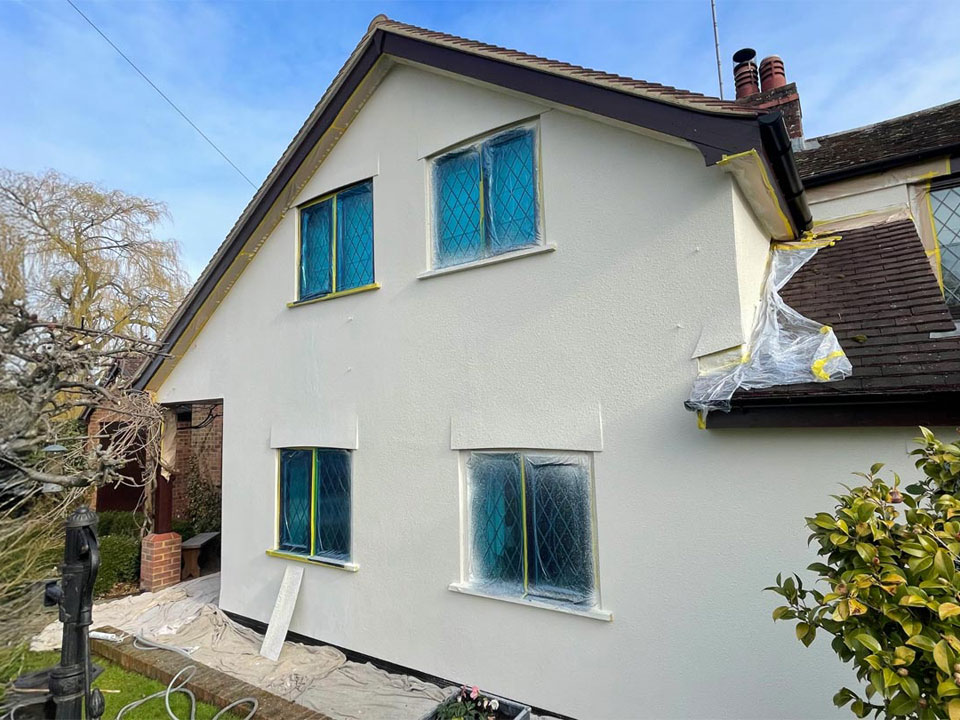
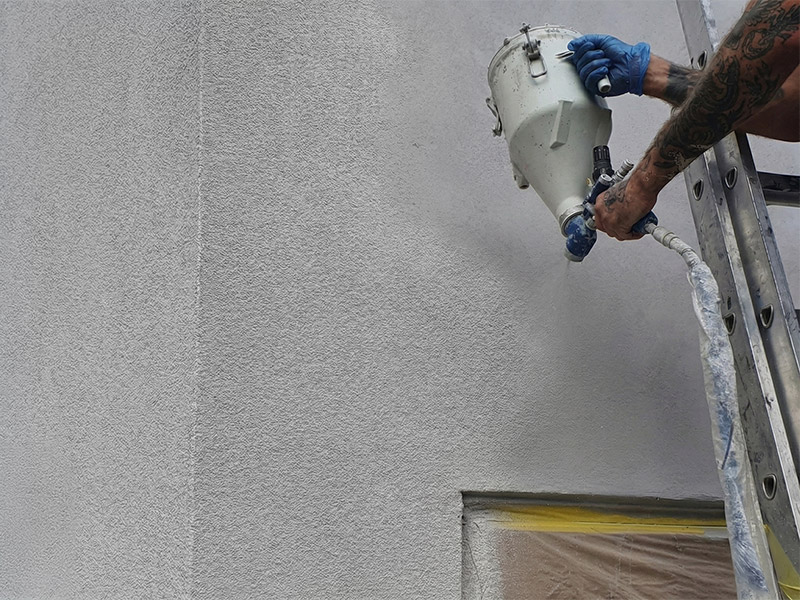
The hidden treasure of cork can be found in its structure made of millions of alveolar cells that incorporate air.
This structure draws an impressive sequence of regular cavities and a cushion structure sealed by suberin, a waxy and hydrophobic layer that makes up almost half of the substance present in the cortex.
This natural composition contributes to insulation performance and helps reduce energy losses in buildings.
The main goal towards energy saving stands for reducing energy consumption at every possible level.
Reducing energy consumption in the building sector is essential to reduce European Union energy dependency and greenhouse gas emissions.
The new directive regarding energy performance in buildings mandates that all new buildings must be nearly zero-energy.
The United Kingdom must develop its definition for different periods and the government will assess national plans to ensure compliance with energy efficiency targets.
Focusing on energy performance supports sustainability and improves the efficiency of buildings across the housing sector.
Frequently Asked Questions
What is thermal insulation and why is it important?
Thermal insulation in buildings is aimed to reduce energy consumption within the housing sector while improving comfort by maintaining the same level of energy efficiency inside the premises.
How does thermal insulation improve energy efficiency?
Improving thermal insulation reduces energy losses, allowing buildings to require less energy for the same level of comfort and resulting in energy and cost savings.
Can thermal insulation reduce energy costs and emissions?
Yes, according to the IDEA, improvements in thermal insulation can reduce heating and air conditioning consumption, resulting in cost savings and reductions in CO2 emissions up to 30%.
What is a nearly zero energy building?
A nearly zero energy building is a building with very high energy performance, where energy demand is very low and covered by renewable energy sources produced on-site or nearby.
Thermal Performance
Cork’s natural thermal properties improve insulation, helping reduce heat loss and increase energy efficiency throughout your property. By regulating surface temperatures and reducing thermal bridging, it creates a more comfortable internal environment while supporting lower energy consumption and improved long-term performance.
Sustainable & Long-Lasting
Cork is a natural, sustainable material formed from the bark of cork oak trees, with a unique cellular structure that delivers exceptional durability. Its combination of resilience and eco-friendly performance makes it ideal for long-lasting coatings that contribute to CO₂ reduction and environmental responsibility.
Complete Protection
Cork coatings provide a protective barrier against moisture, helping prevent damp, condensation, and mould growth. Their breathable structure allows vapour to escape while maintaining protection, ensuring a healthier indoor environment and safeguarding your property from long-term structural and cosmetic damage.
Survey to Solution
We provide detailed thermal surveys and technical reports, offering clear insights into insulation performance and potential issues. From initial assessment to completed installation, our team manages the entire process, delivering effective solutions without the need for multiple contractors or additional disruption.
Trusted & Proven Experts
With over 30 years of industry experience, full insurance, and more than 200 positive customer reviews, Corkshield is a trusted choice. Our skilled team consistently delivers professional results, giving you confidence that your property is in safe, experienced hands.
Aesthetic & Protective Finish
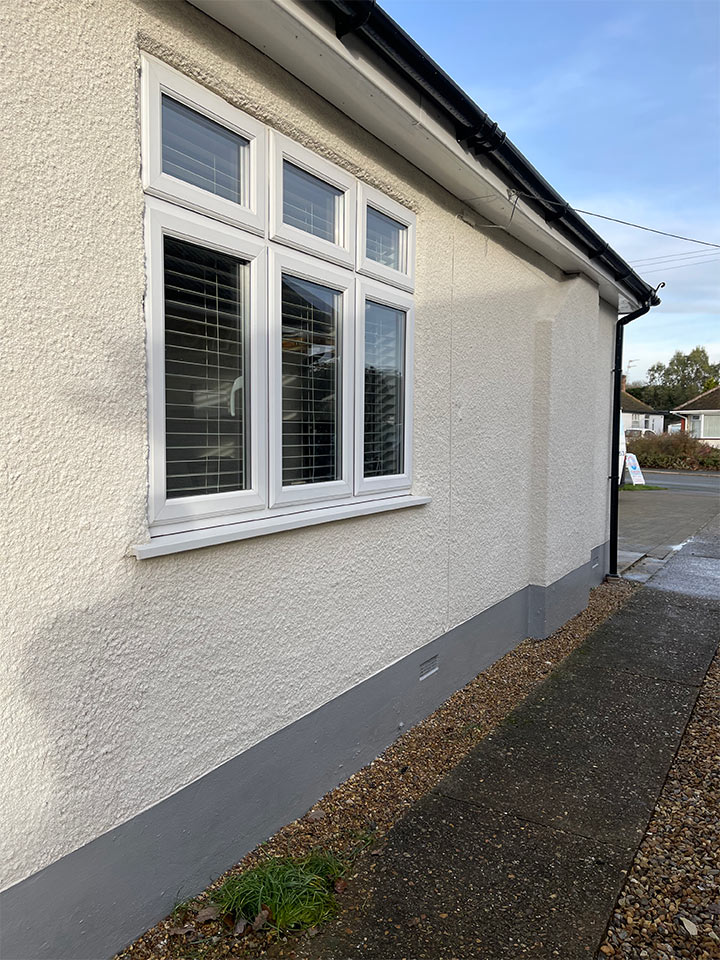
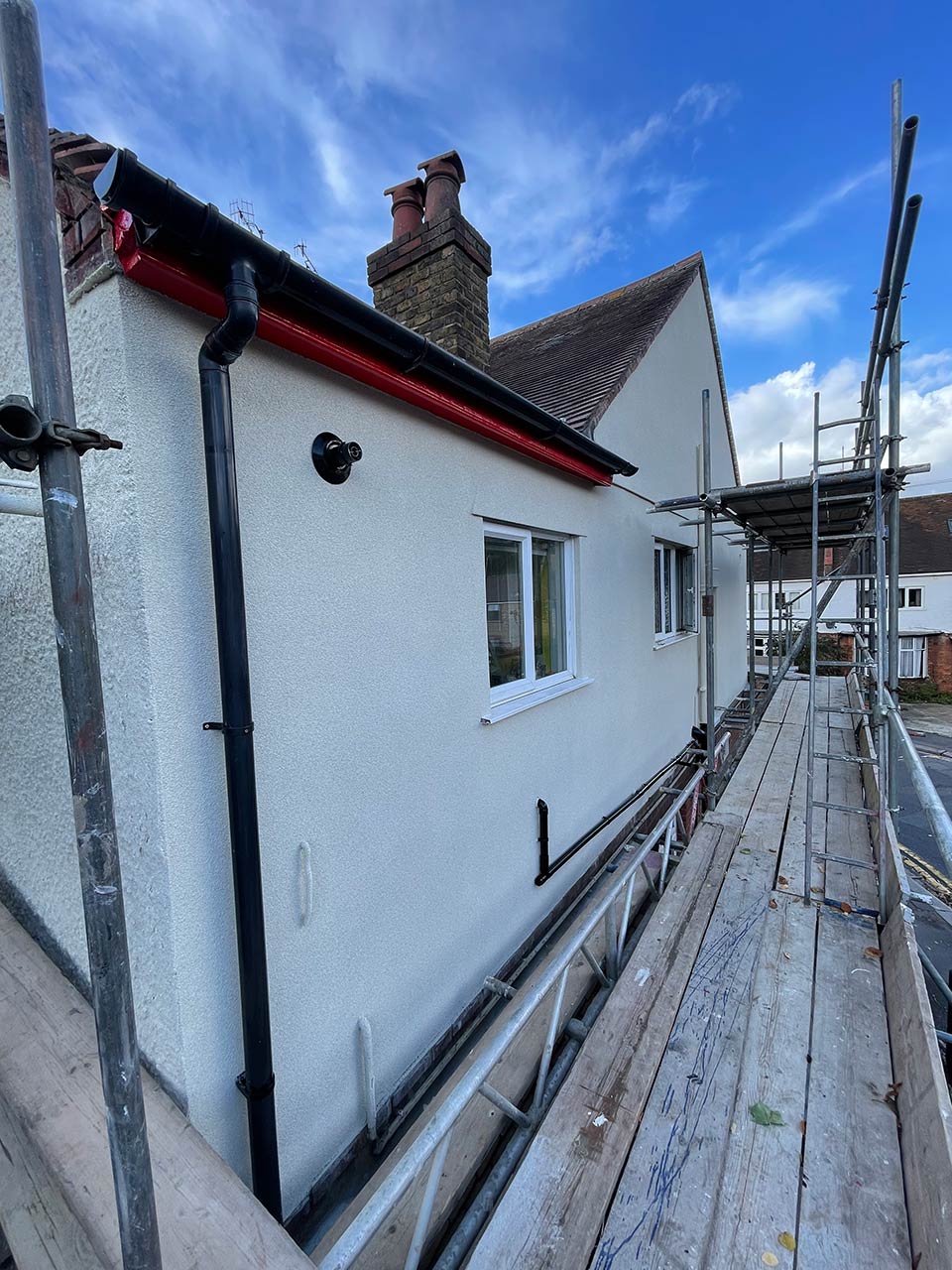
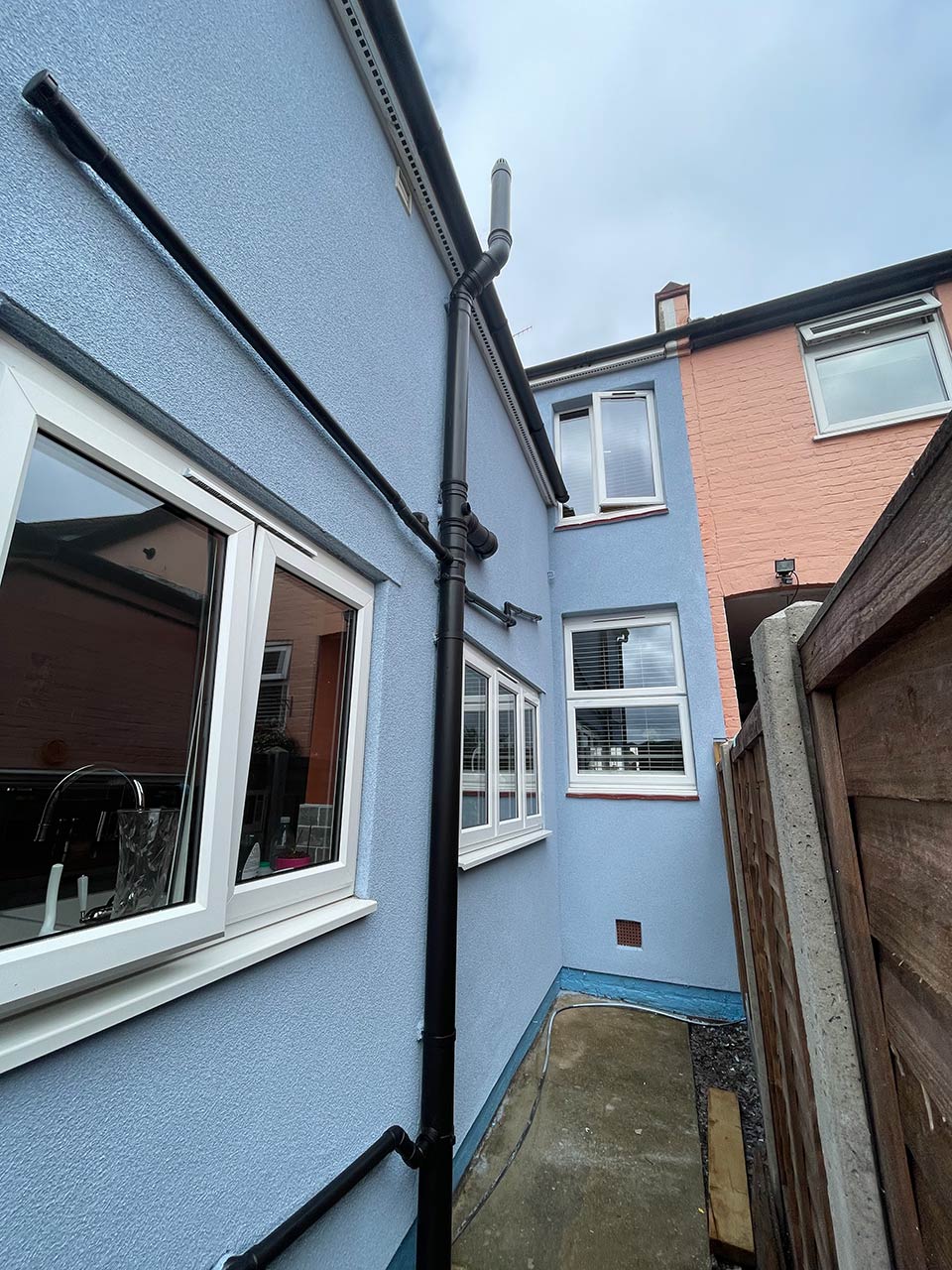
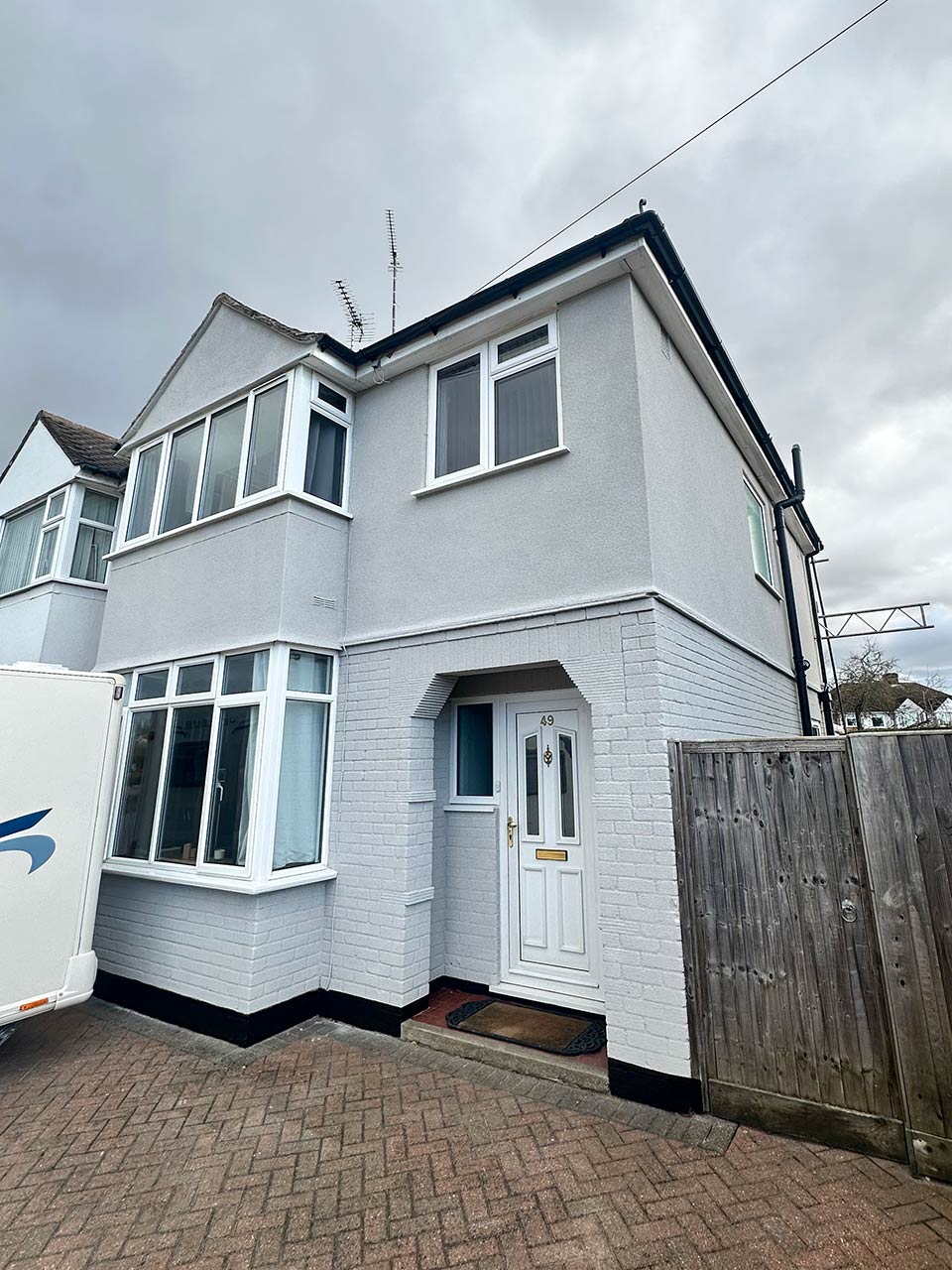
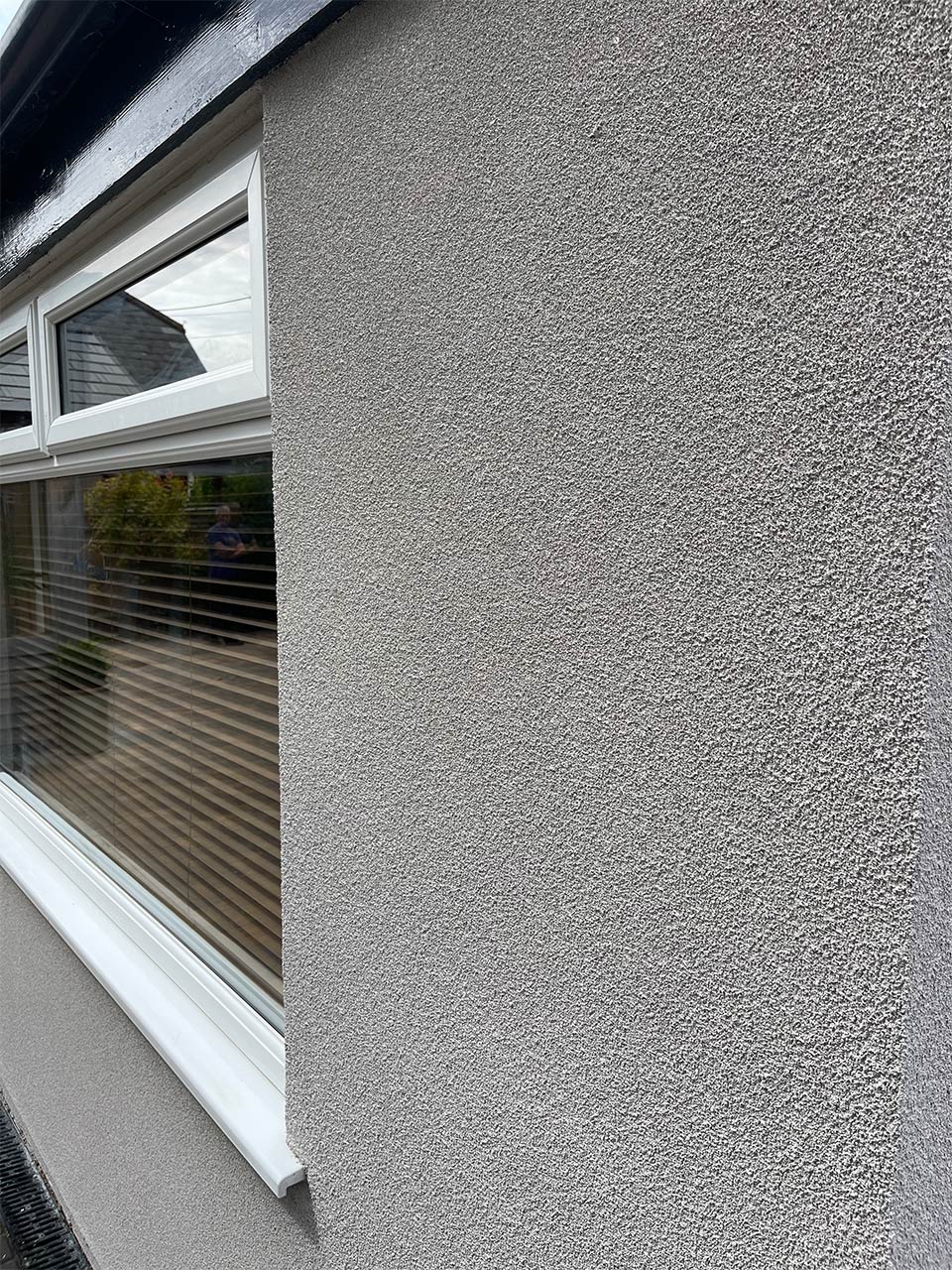
Our cork coatings are available in a range of colours, creating a modern, uniform finish that enhances your property’s appearance. Naturally resistant to algal and fungal growth, surfaces stay cleaner for longer, while the breathable system is suitable for both external and internal applications.




Corkshield Ltd
Corkshield is a trading name of Corkshield Ltd
 Registered Office: 63 New Road, Weston Turville, Aylesbury HP22 5QY
Registered in England and Wales No. 10039229
info@corkshield.co.uk
020 3026 5039
Monday to Saturday 8:00am - 5:00pm / Sunday - Closed