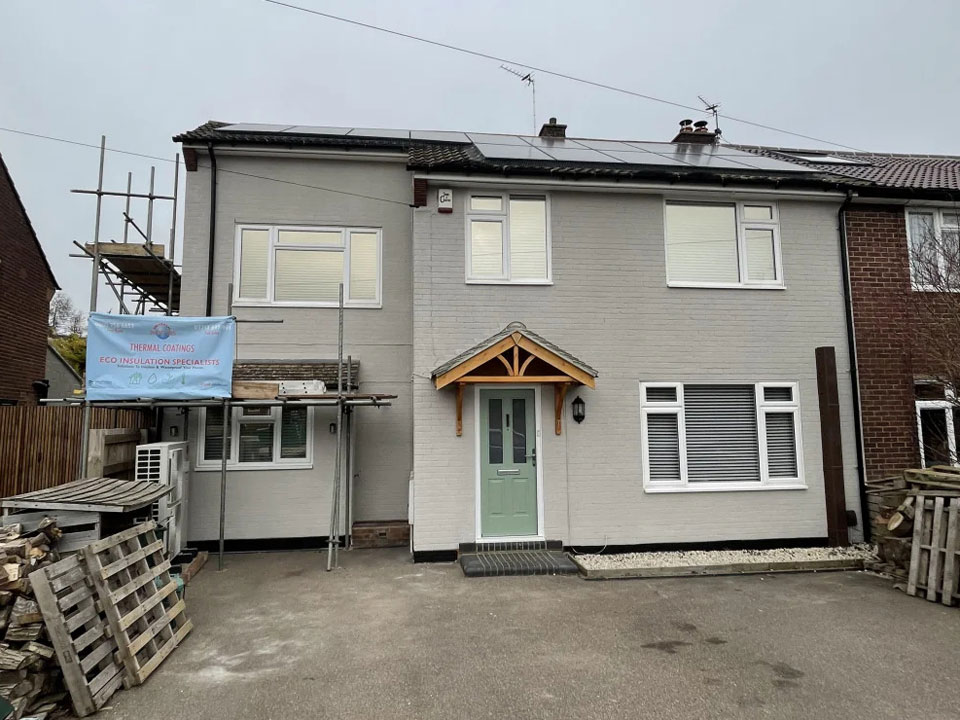
The building envelope refers to the structural shell that encloses all the inhabitable interior spaces of a building.
This includes its walls, roof, windows, doors, and any other openings or thermal bridges that separate the interior environment from the exterior environment.
The building envelope is a critical component of any building, contributing to overall comfort and energy efficiency inside the building.
Thermal Envelope Requirements
Structural Shell
The building envelope is the structural shell that encloses all the inhabitable interior spaces of a building and separates interior and exterior environments.
Technical Requirements
The building envelope must meet a range of regulatory requirements outlined in the Technical Building Code for comfort and energy efficiency.
Energy Demand Limitation
Basic Requirement HE 1 focuses on limitation of energy demand necessary to achieve thermal well-being based on climate and building use.
Condensation And Thermal Bridges
The envelope must reduce the risk of surface and interstitial condensation moisture and adequately treat thermal bridges to limit heat losses or gains.
In addition to reflecting the building’s identity and character, the building envelope must also meet a range of regulatory requirements outlined in the Technical Building Code.
These technical requirements are aimed at creating comfortable living conditions inside the building, and include various aspects related to insulation, ventilation, and other key factors.
These factors contribute to overall comfort and energy efficiency while helping to adequately limit the energy demand necessary to achieve thermal well-being.
The envelope is therefore a critical component of any building and its performance.
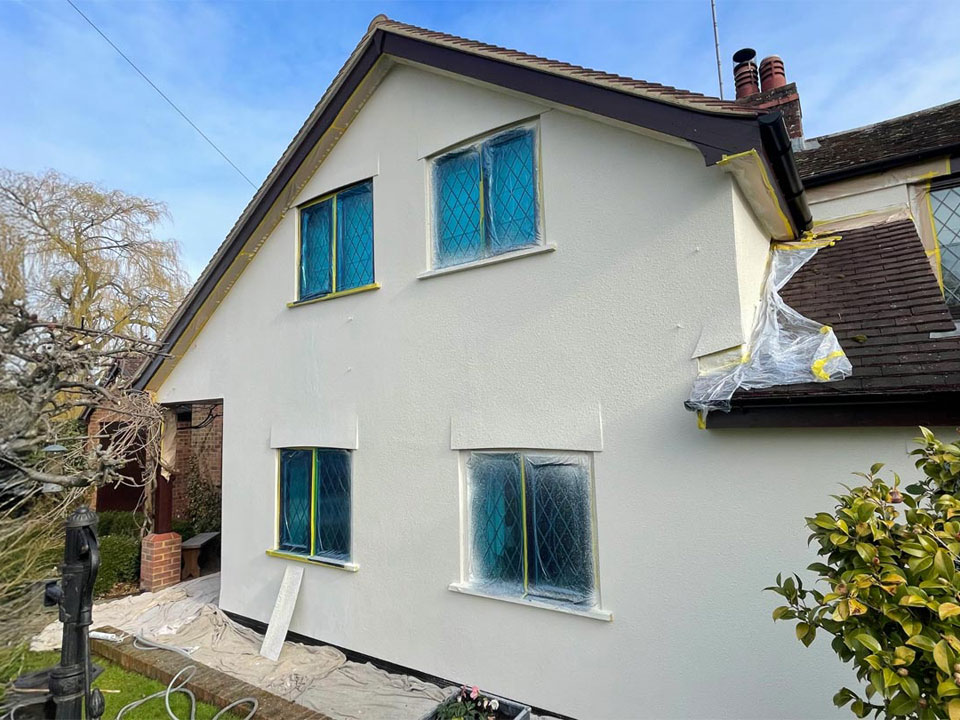
A thermal bridge is an area of the building envelope where there is a noticeable deviation from the uniformity of the construction.
This can occur due to changes in the thickness or materials used in the enclosure, penetration of construction elements with different conductivity, or differences in temperature.
These variations can result in a reduction of thermal resistance in that area compared to the rest of the building envelope.
In short, it is the area in which the thermal properties are considerably reduced compared to the rest of the façade.
The EN ISO 10211 standard defines thermal bridging as part of a building envelope where the normally uniform thermal resistance changes significantly.
This may be due to complete or partial penetrations, a change in the thickness of the factory, or a difference between internal or external areas (joints between walls, floors, or ceilings).
They are mainly pillars and slab fronts within the envelope where thermal properties are reduced.
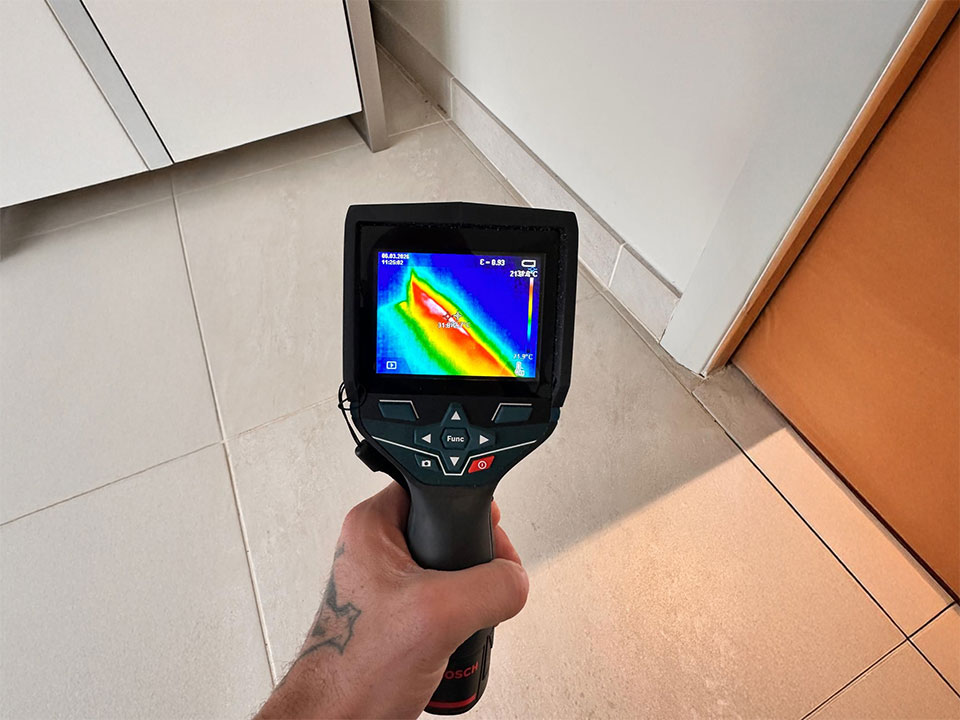
Thermographies allow us to capture the infrared radiation of the elements and transform them into a temperature value.
Frequently Asked Questions
What is the building thermal envelope?
The building envelope is the structural shell that encloses all inhabitable interior spaces, including walls, roof, windows, doors, and openings separating the interior from the exterior environment.
Why is the thermal envelope important in buildings?
The thermal envelope is a critical component that helps create comfortable living conditions, supports insulation and ventilation, and contributes to overall energy efficiency and performance.
What is a thermal bridge in a building?
A thermal bridge is an area of the building envelope where there is a deviation from uniform construction, reducing thermal resistance and increasing heat losses or gains.
How are thermal bridges identified and assessed?
Thermal bridges are defined by changes in materials, thickness, or temperature differences, and thermographies can capture infrared radiation to observe the behaviour of the envelope elements.
Thermal Performance
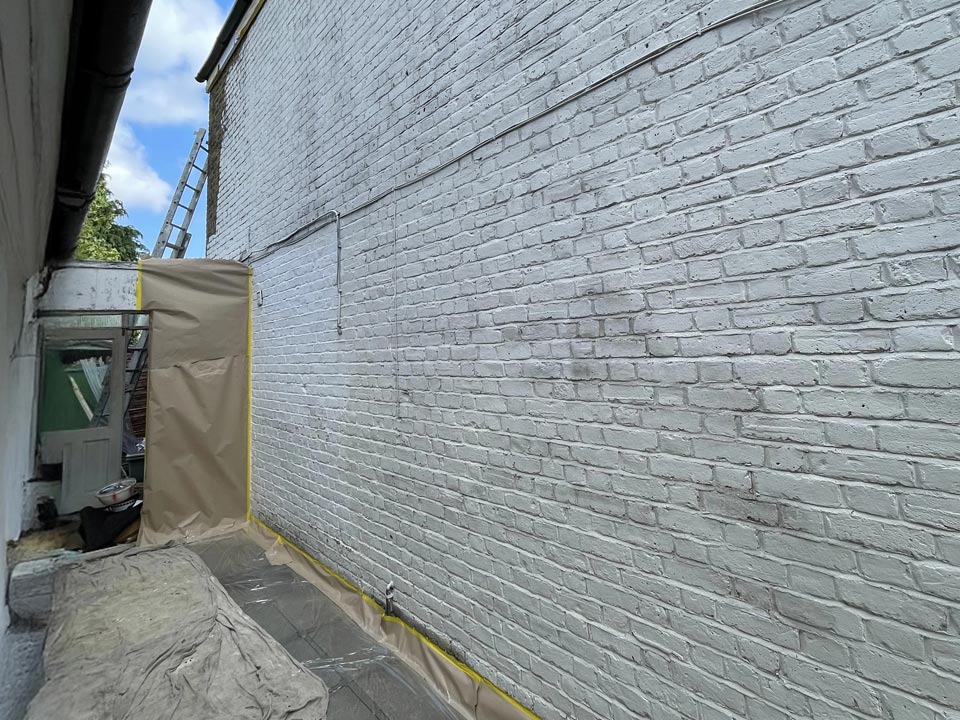
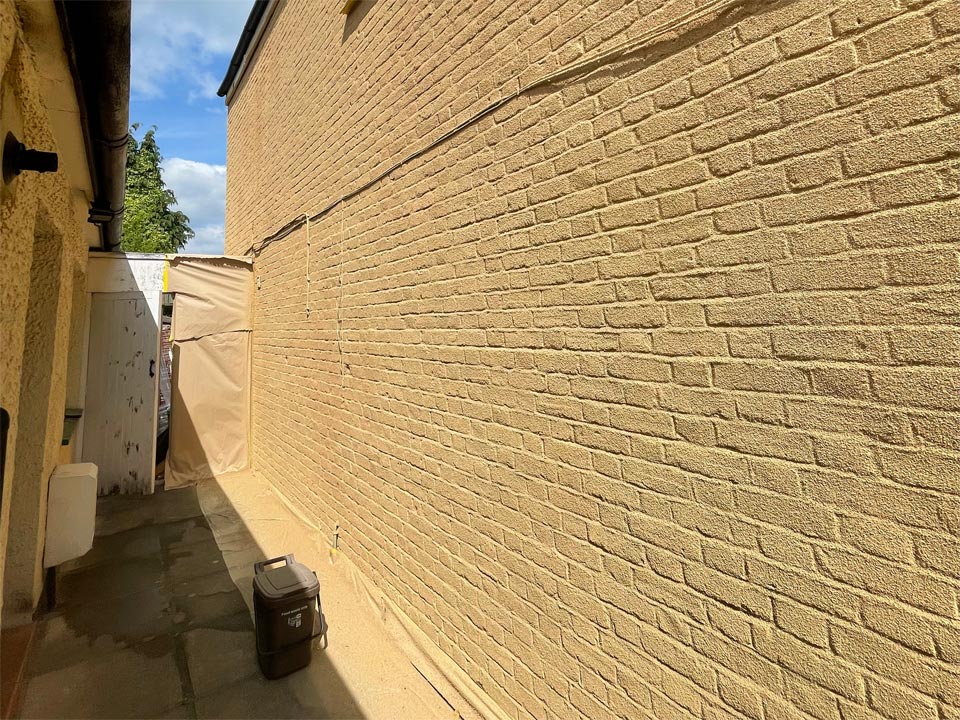
Cork’s natural thermal properties improve insulation, helping reduce heat loss and increase energy efficiency throughout your property. By regulating surface temperatures and reducing thermal bridging, it creates a more comfortable internal environment while supporting lower energy consumption and improved long-term performance.
Sustainable & Long-Lasting
Cork is a natural, sustainable material formed from the bark of cork oak trees, with a unique cellular structure that delivers exceptional durability. Its combination of resilience and eco-friendly performance makes it ideal for long-lasting coatings that contribute to CO₂ reduction and environmental responsibility.
Complete Protection
Cork coatings provide a protective barrier against moisture, helping prevent damp, condensation, and mould growth. Their breathable structure allows vapour to escape while maintaining protection, ensuring a healthier indoor environment and safeguarding your property from long-term structural and cosmetic damage.
Survey to Solution
We provide detailed thermal surveys and technical reports, offering clear insights into insulation performance and potential issues. From initial assessment to completed installation, our team manages the entire process, delivering effective solutions without the need for multiple contractors or additional disruption.
Trusted & Proven Experts
With over 30 years of industry experience, full insurance, and more than 200 positive customer reviews, Corkshield is a trusted choice. Our skilled team consistently delivers professional results, giving you confidence that your property is in safe, experienced hands.
Aesthetic & Protective Finish
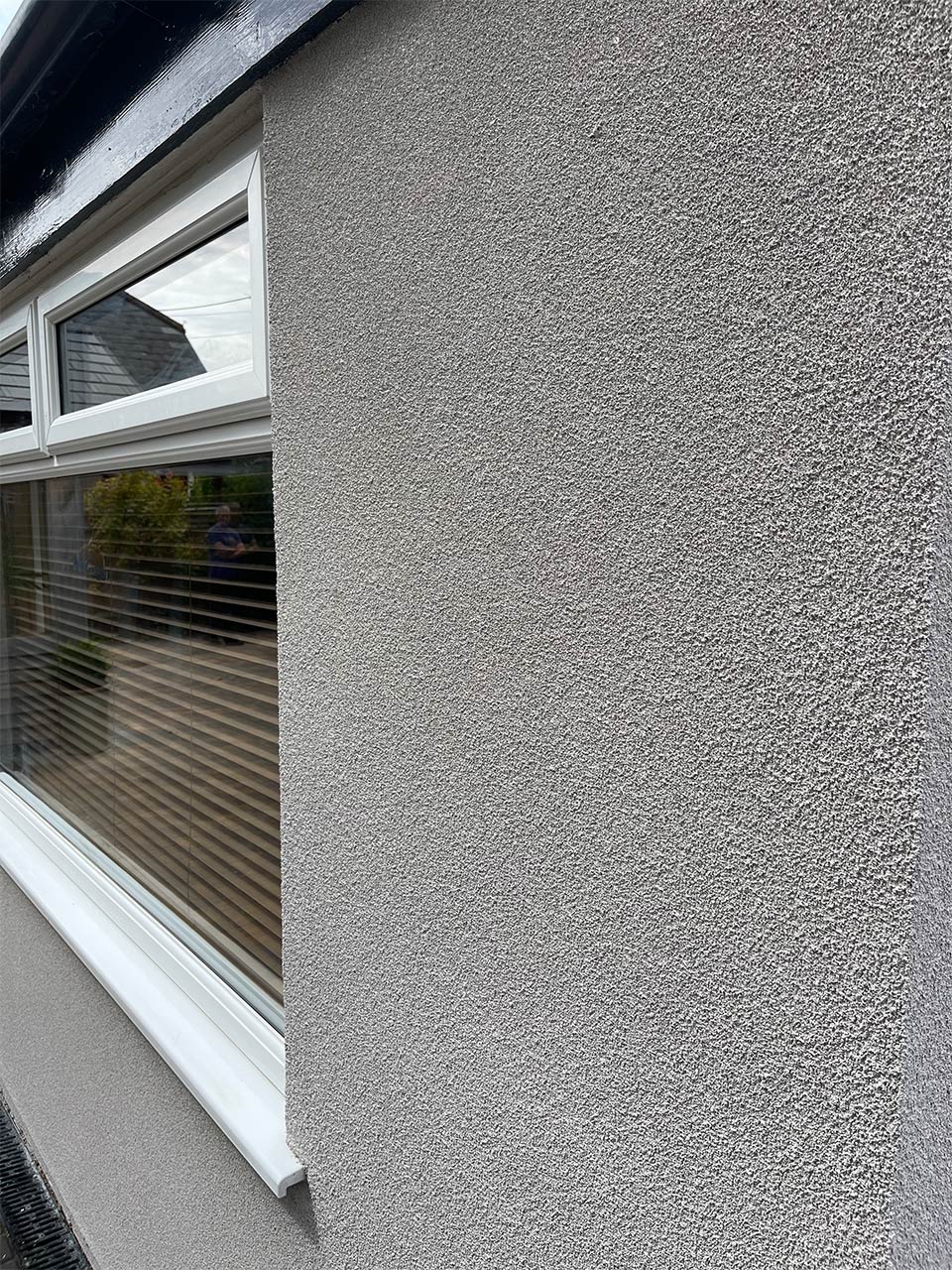
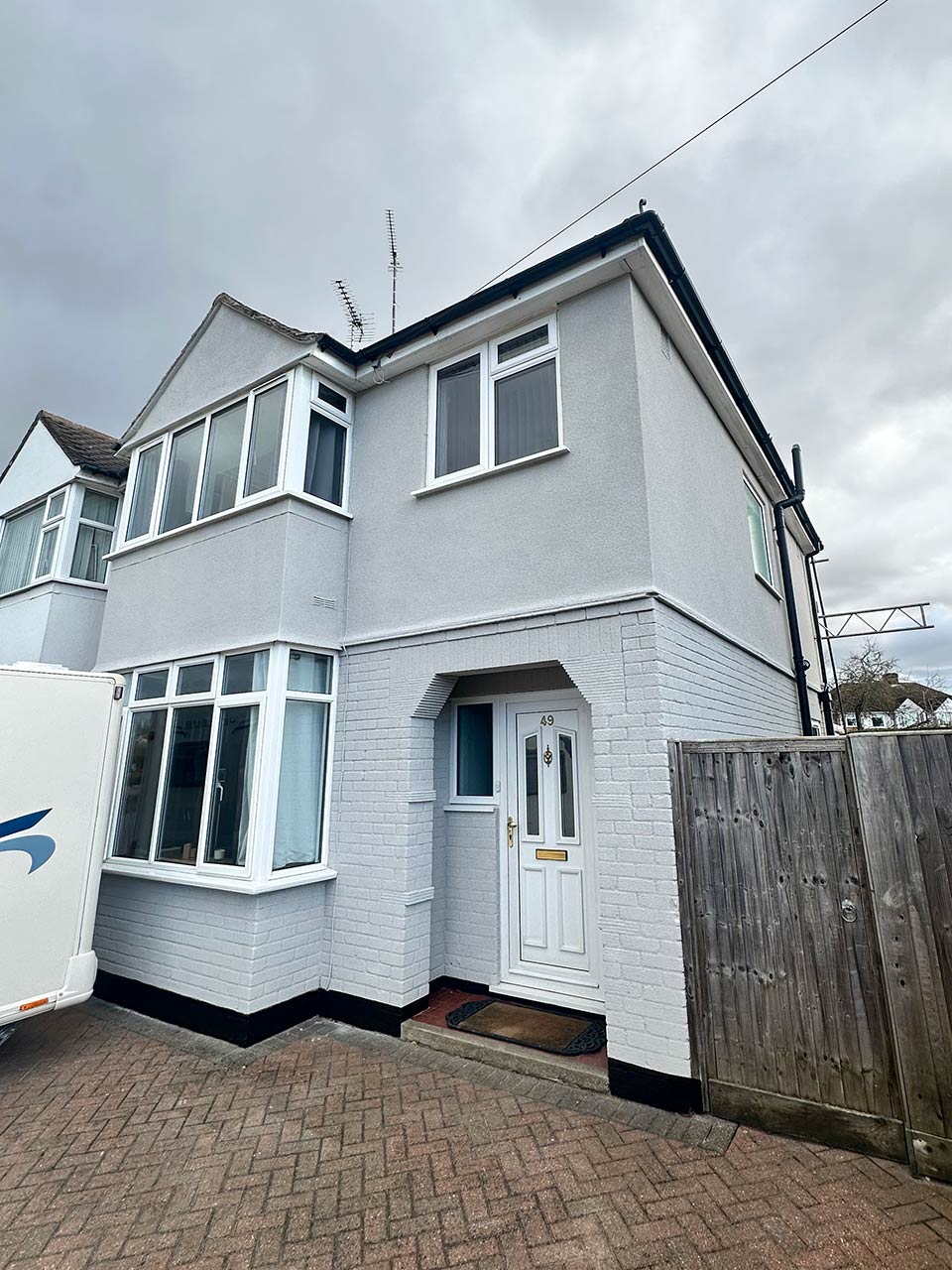
Our cork coatings are available in a range of colours, creating a modern, uniform finish that enhances your property’s appearance. Naturally resistant to algal and fungal growth, surfaces stay cleaner for longer, while the breathable system is suitable for both external and internal applications.




Corkshield Ltd
Corkshield is a trading name of Corkshield Ltd
 Registered Office: 63 New Road, Weston Turville, Aylesbury HP22 5QY
Registered in England and Wales No. 10039229
info@corkshield.co.uk
020 3026 5039
Monday to Saturday 8:00am - 5:00pm / Sunday - Closed