Air is the key to every insulation project, and even old inefficient systems were based on acknowledging this fact.
The ideal insulation material would be one with maximum gas content such as air, encapsulated and without the possibility of circulating.
Perfect insulation must incorporate the biggest amount of standstill air within the smallest room while maintaining its effectiveness over time.
Ideal Insulation Characteristics
Standstill Air Content
The ideal insulation material must incorporate the bigger amount of standstill air within the smallest room to reduce heat transfer.
Moisture Tolerance
It must be able to tolerate water intrusion by absorption to maintain insulation effectiveness over time.
Humidity And Condensation
Humidity can penetrate through the smallest openings and condense, reducing insulation effectiveness and causing mould and deterioration.
Ventilation And Moisture Control
A proper ventilation system allows excess humidity to escape and prevents moisture buildup in the building envelope.
Humidity can penetrate through the smallest openings and once it enters insulation it will condense and reduce its effectiveness.
Hot air absorbs humidity and when relative humidity reaches 100 percent the air cannot hold more water, resulting in condensation.
When hot humid air comes into contact with a cold surface it loses its ability to hold water vapor and forms condensation.
This condensation can cause damage to insulation materials and contribute to mould and structural deterioration.
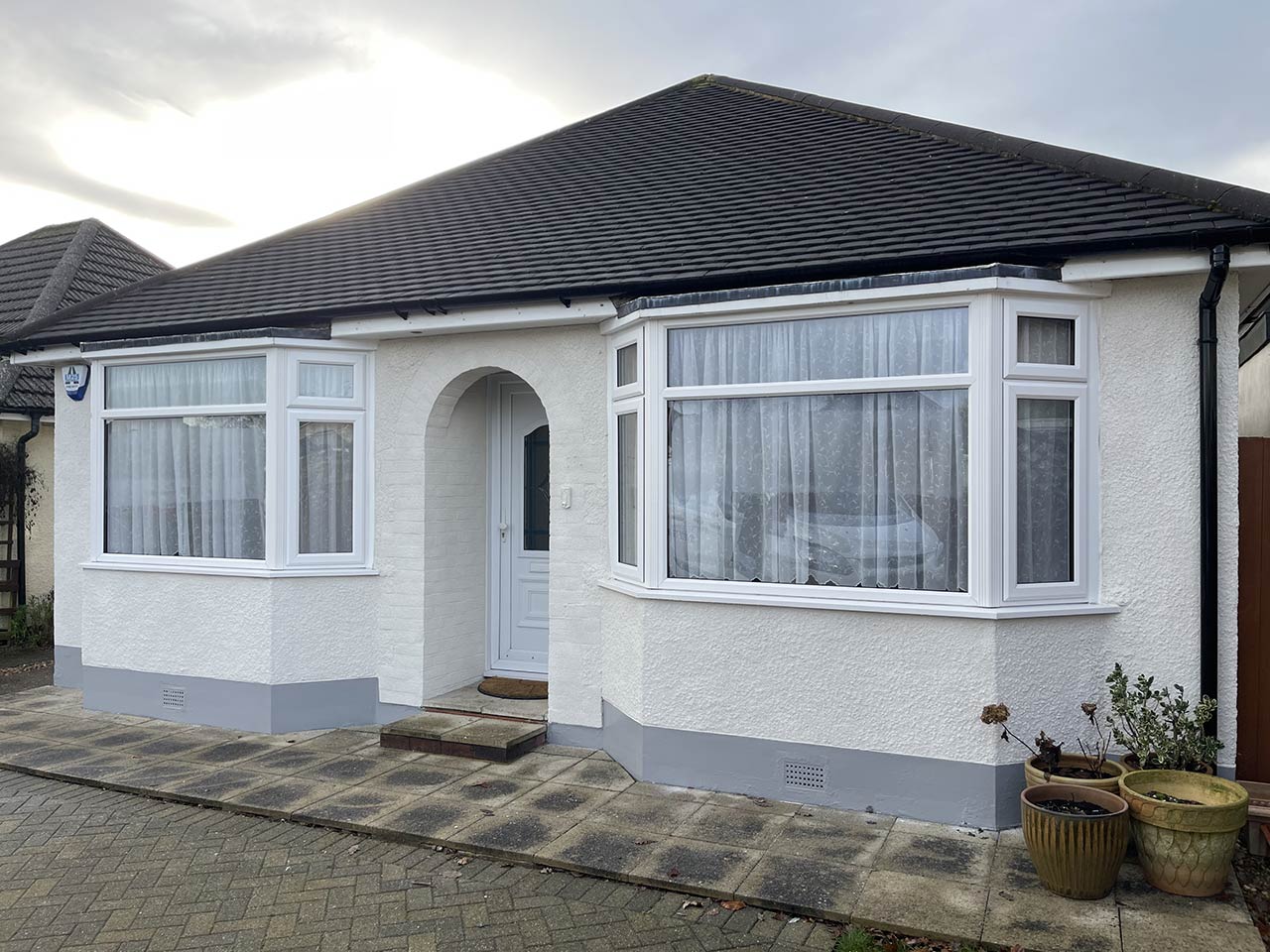
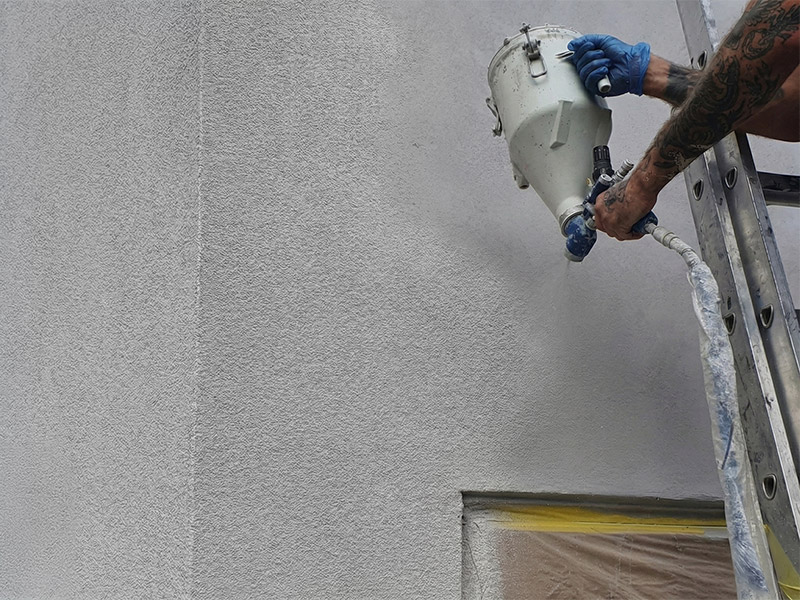
The only conclusion is that perfect insulation must incorporate standstill air and tolerate water intrusion and cork is the material that fulfils these requirements.
Cork is the cortex of the Mediterranean cork oak growing in the south of Europe and the north of the African coast.
Its structure is lightweight and spongy and protects the tree from damage, illness, insects, drought and fire.
This natural material provides insulation performance while maintaining durability and resistance to environmental conditions.
Cork is the cortex of the cork oak tree Quercus suber and is cultivated mainly in Portugal, Spain, and Algeria.
The cork oak tree is a robust species that can grow up to 20 or 25 meters in height with bark composed of cork.
Cork extraction involves removing the bark where the cork is located and repeating the process every nine years.
The cork industry provides sustainable economic activity without polluting the environment while offering a natural ecological product.
Frequently Asked Questions
What makes ideal thermal insulation effective?
The ideal insulation material must incorporate the biggest amount of standstill air within the smallest space and prevent heat transfer while maintaining performance over time. Corkshield uses natural cork solutions designed to support effective insulation performance.
How does humidity affect insulation performance?
Humidity can penetrate through small openings and condense within insulation, reducing effectiveness and causing mould, structural deterioration, and moisture-related issues. Corkshield coatings are designed to help manage moisture and maintain insulation effectiveness.
Why is ventilation important in insulation systems?
A proper ventilation system allows excess humidity to escape and prevents moisture buildup within the building envelope, helping insulation maintain its performance. Corkshield solutions work alongside building systems to support balanced insulation and ventilation performance.
Why is cork considered an ideal insulation material?
Cork fulfills key insulation requirements by incorporating standstill air and tolerating water intrusion, while providing durability and resistance to environmental conditions. Corkshield uses cork-based materials to deliver sustainable insulation solutions.
Thermal Performance
Cork’s natural thermal properties improve insulation, helping reduce heat loss and increase energy efficiency throughout your property. By regulating surface temperatures and reducing thermal bridging, it creates a more comfortable internal environment while supporting lower energy consumption and improved long-term performance.
Sustainable & Long-Lasting
Cork is a natural, sustainable material formed from the bark of cork oak trees, with a unique cellular structure that delivers exceptional durability. Its combination of resilience and eco-friendly performance makes it ideal for long-lasting coatings that contribute to CO₂ reduction and environmental responsibility.
Complete Protection
Cork coatings provide a protective barrier against moisture, helping prevent damp, condensation, and mould growth. Their breathable structure allows vapour to escape while maintaining protection, ensuring a healthier indoor environment and safeguarding your property from long-term structural and cosmetic damage.
Survey to Solution
We provide detailed thermal surveys and technical reports, offering clear insights into insulation performance and potential issues. From initial assessment to completed installation, our team manages the entire process, delivering effective solutions without the need for multiple contractors or additional disruption.
Trusted & Proven Experts
With over 30 years of industry experience, full insurance, and more than 200 positive customer reviews, Corkshield is a trusted choice. Our skilled team consistently delivers professional results, giving you confidence that your property is in safe, experienced hands.
Aesthetic & Protective Finish
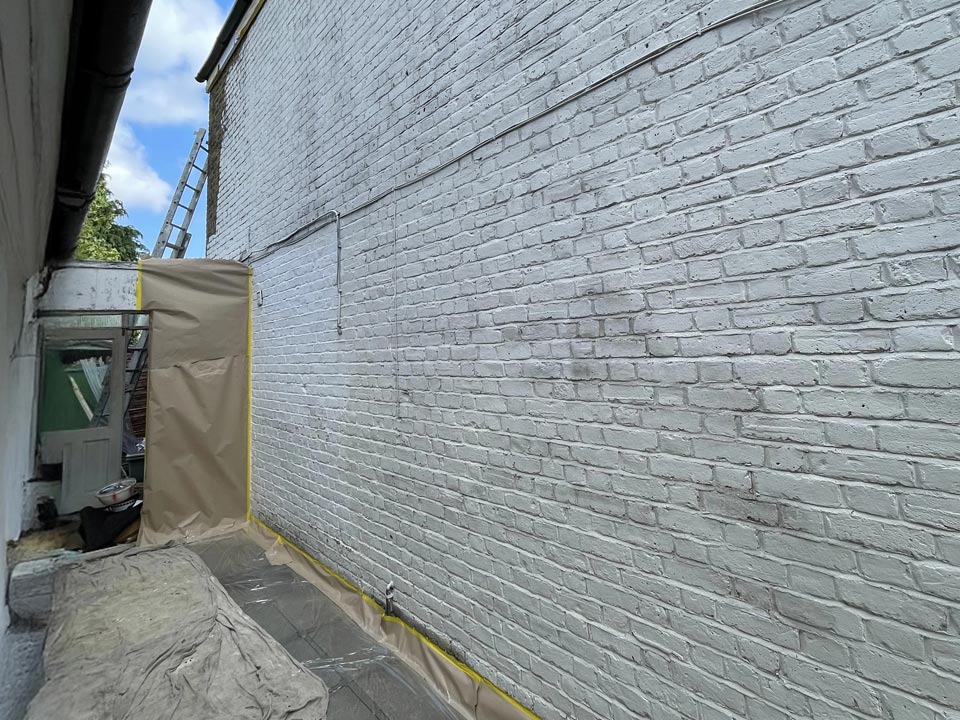
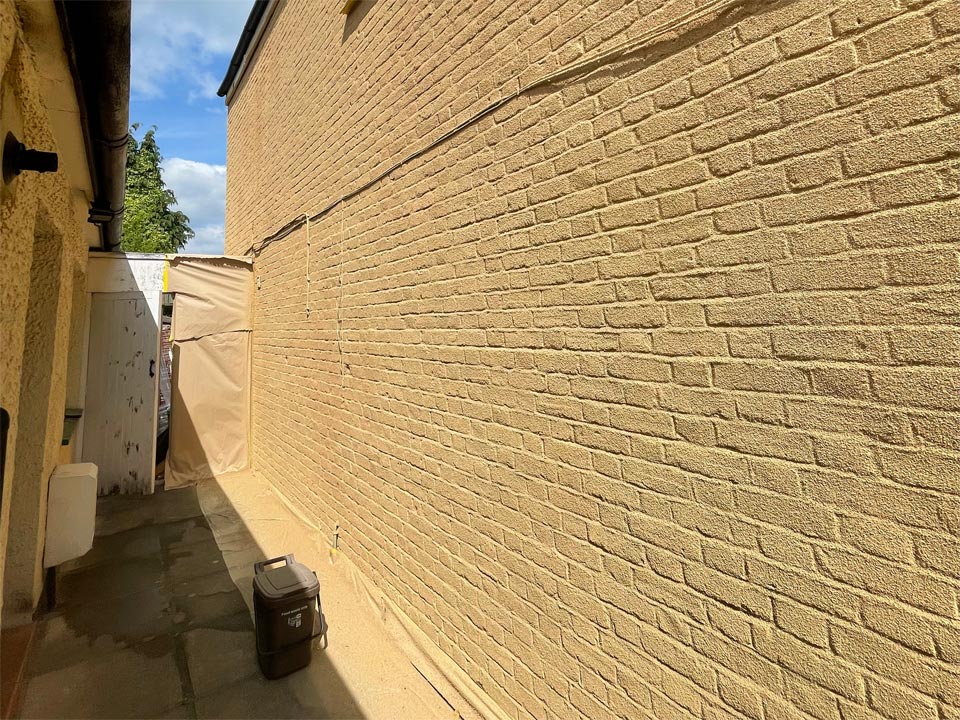
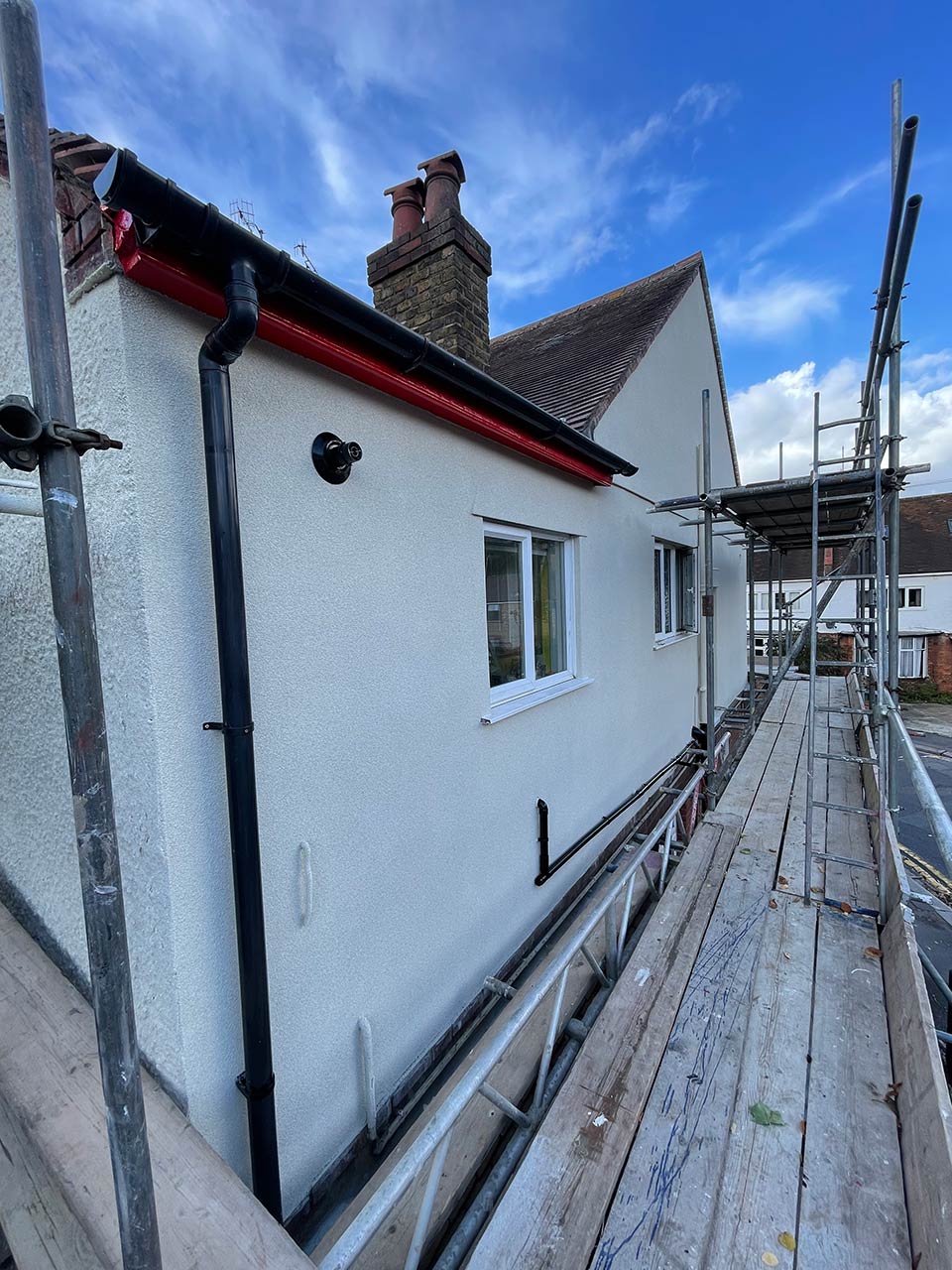
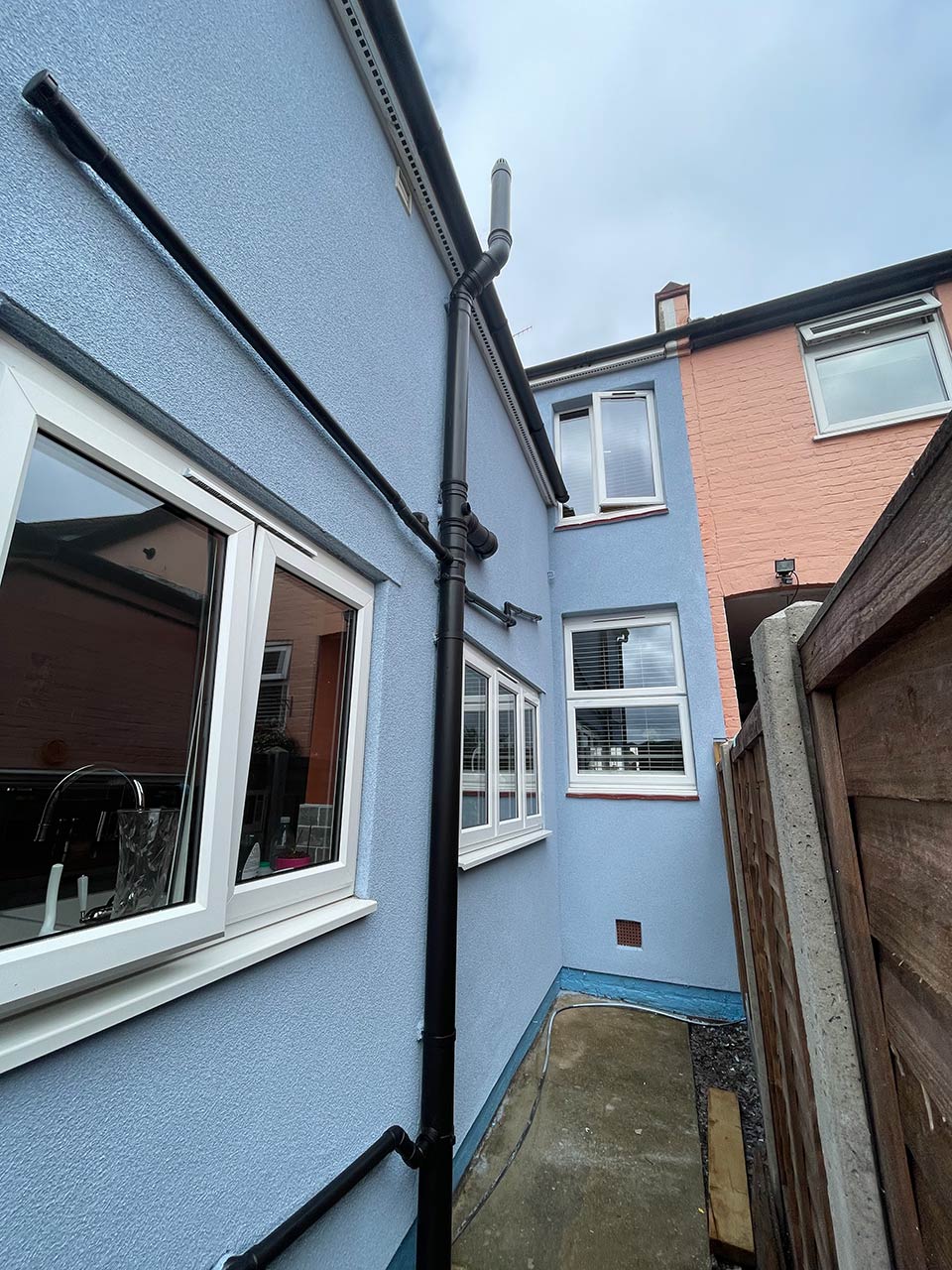
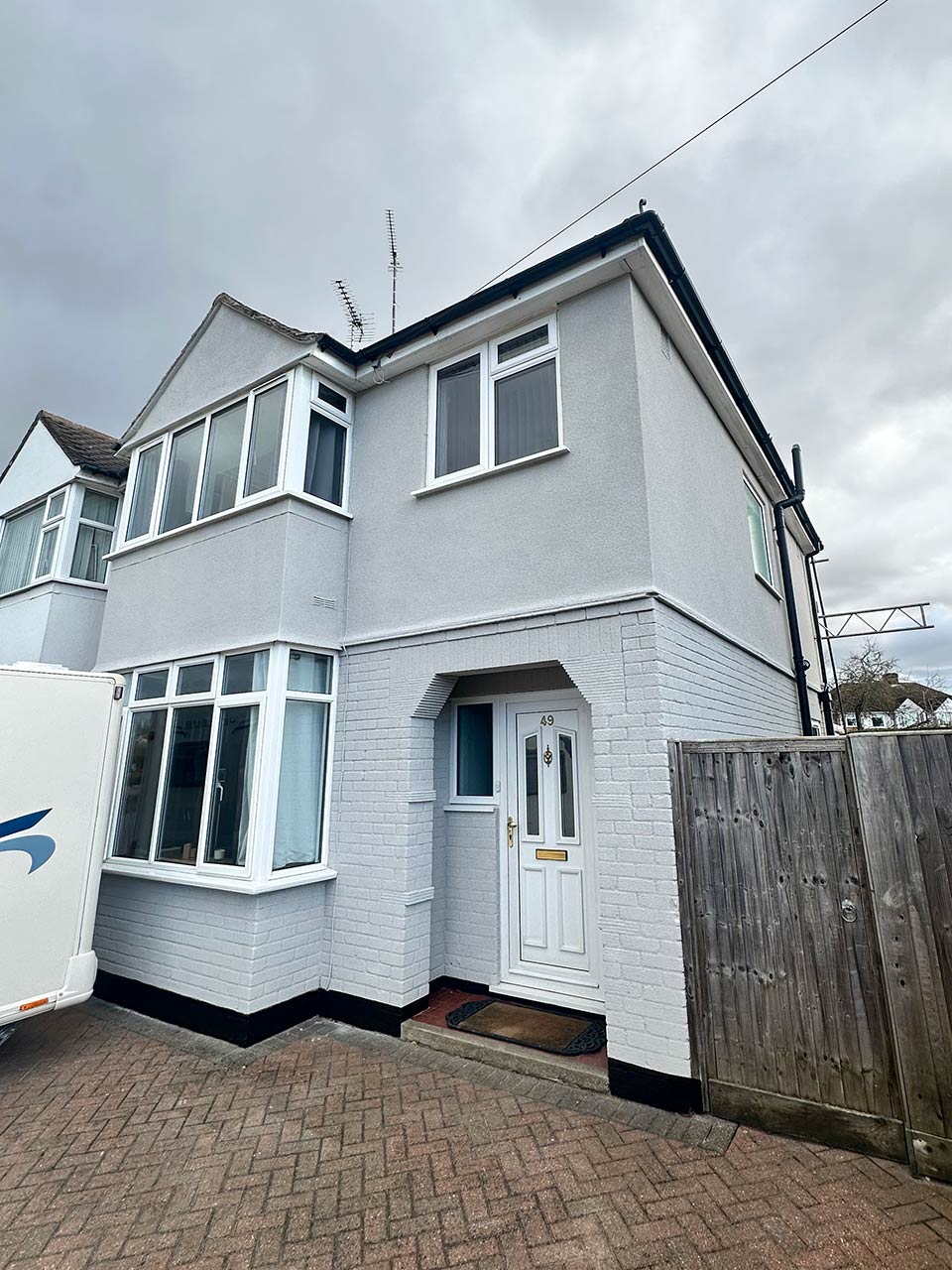
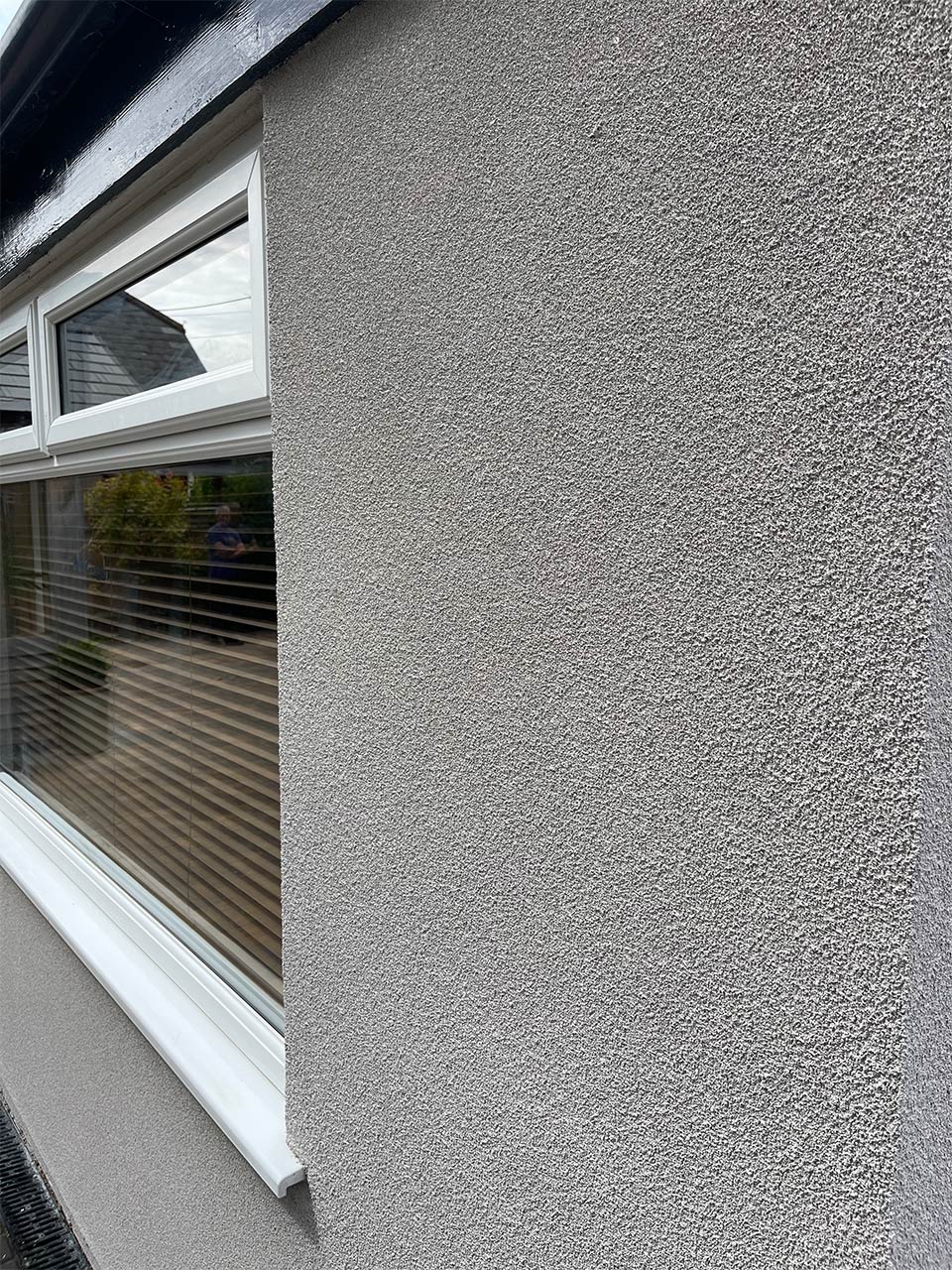
Our cork coatings are available in a range of colours, creating a modern, uniform finish that enhances your property’s appearance. Naturally resistant to algal and fungal growth, surfaces stay cleaner for longer, while the breathable system is suitable for both external and internal applications.




Corkshield Ltd
Corkshield is a trading name of Corkshield Ltd
 Registered Office: 63 New Road, Weston Turville, Aylesbury HP22 5QY
Registered in England and Wales No. 10039229
info@corkshield.co.uk
020 3026 5039
Monday to Saturday 8:00am - 5:00pm / Sunday - Closed